
Fiber to the Home (FTTH)
iFiber Optix supplies the complete fiber optic infrastructure required for FTTH deployments — from the central office backbone through outside plant distribution to the final drop into each home. Every component in our FTTH portfolio is selected for low insertion loss, long-term durability, and the fast-deployment characteristics that modern fiber rollouts demand.
FTTH Network Architecture
Select any network segment to see the iFiber Optix products deployed at that layer.
Select a network segment in the diagram to see the iFiber Optix products deployed at that layer of the FTTH architecture.
Select Your Drop Deployment Type
The final fiber drop from the distribution terminal to each home varies significantly by installation method, terrain, and program type. Select your deployment type below.
Lashed & Self-Supporting Aerial Drops
Aerial FTTH drops lash a flat drop cable to an existing messenger strand between the distribution terminal on the pole and the home's network interface device. Factory-terminated and weatherproof connectors allow a single technician to complete the drop installation without a fusion splicer on the pole.
- Drop length: 30–150 m typical span from pole to home
- Cable type: Flat drop, UV-rated, all-dielectric self-supporting
- Connectors: IP 68 weatherproof at both ends — no field splicing
- Speed: Factory-terminated for single-tech, same-day activation
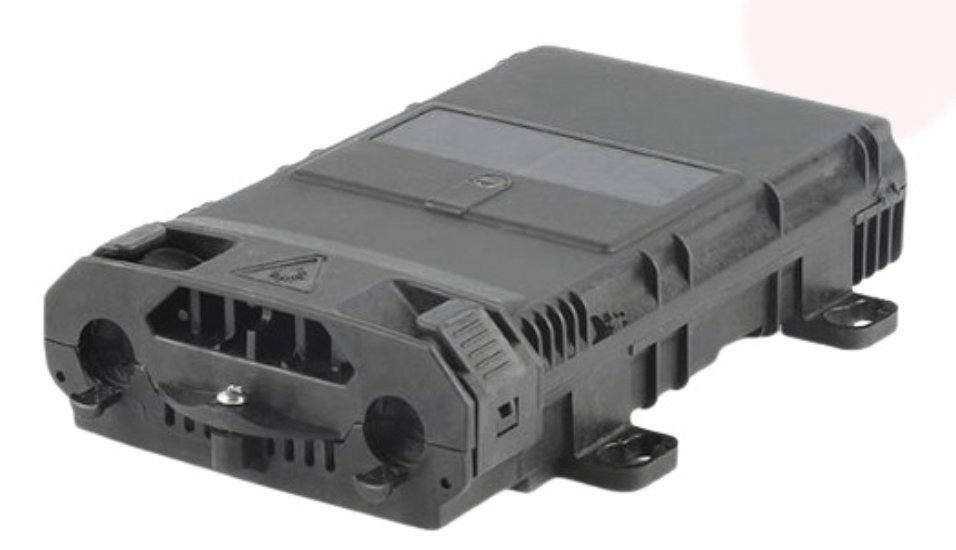


Direct-Buried & Conduit Drops
Underground FTTH drops use a direct-buried or conduit-fed single-fiber cable from a below-grade distribution point or pedestal to each home's NID. The cable must be rated for direct burial with rodent and moisture protection — and terminated at both ends with outdoor-rated connectors at the pedestal and weatherproof housing at the home.
- Drop length: 15–100 m typical buried run to home
- Cable type: Direct-buried rated, gel-free, rodent resistant
- Entry point: Weather-sealed conduit entry at home foundation
- Termination: Outdoor NID box or flush-mount wall plate at home


Long-Reach Rural Drops
Rural FTTH and BEAD program deployments involve much longer drop distances than suburban builds — drops of 300–600 m or more from a pole-mounted terminal to a home are common. Armored, UV-rated cable handles the environmental demands of rural outside plant, while factory-terminated assemblies eliminate the need for fusion splicing at every home during high-volume rural rollouts.
- Drop length: 100–600 m — significantly longer than suburban
- Cable type: Armored or heavy-duty flat drop, UV-rated
- Routing: Mixed aerial and buried sections common per run
- Speed: Factory-terminated critical for high-volume BEAD buildout pace


Outside Plant Cable
The backbone of every FTTH deployment — high-count singlemode feeder cable engineered for decades of reliable outdoor service.
Corning ALTOS® Loose Tube, Gel-Free Cable
The industry standard for FTTH feeder plant — gel-free waterblocking eliminates cleanup at every splice point, while SZ-stranded loose tube design enables fast mid-span access at pedestals and vaults. Available 6–432 fibers in singlemode OS2.
Drop Cable & Connectivity
Factory-terminated drop cables and connectors for the final connection from the distribution terminal to each subscriber home.
OptiTip® Direct Trunks
Factory-terminated trunk cables with female OptiTip® MT connectors and integral pulling eyes — designed for fast drop cable installation in FlexNAP and OptiSheath® deployments.
View Product →
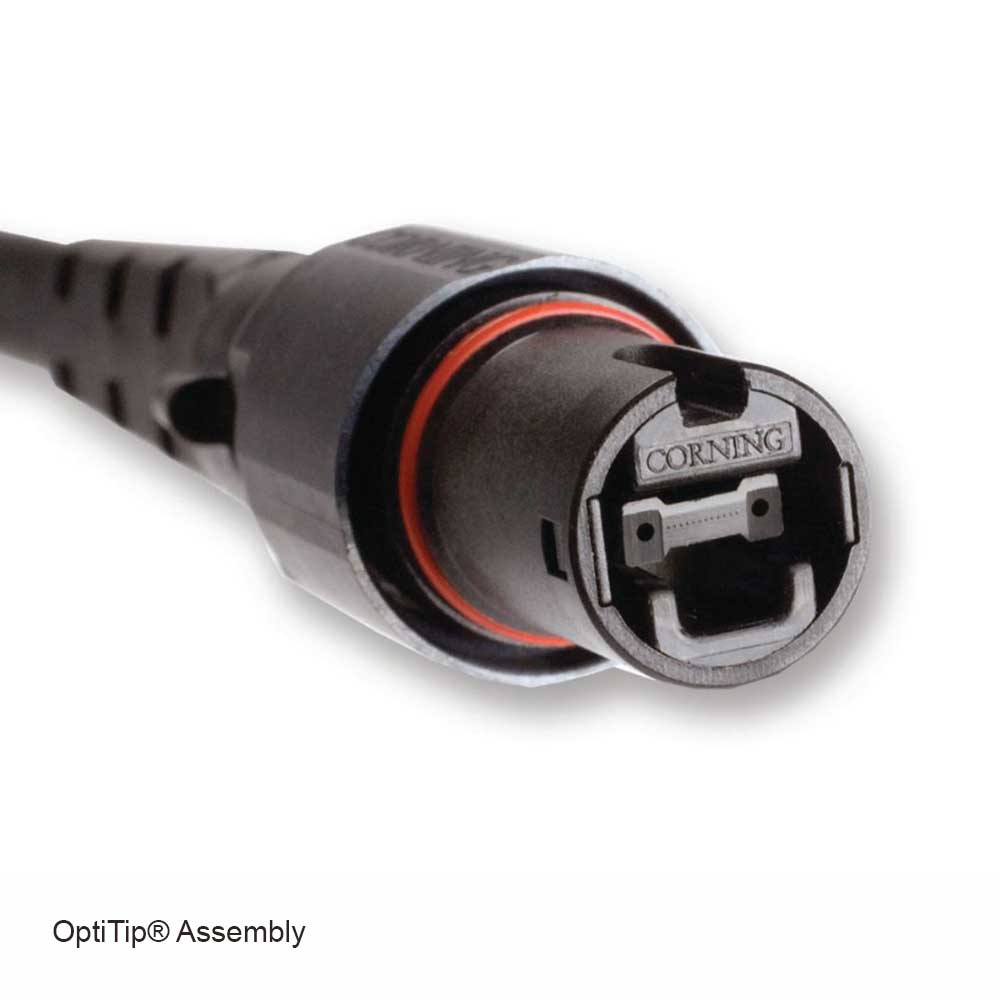
OptiTip® MT Assembly
IP 69K/68 rated MTP® connector assemblies for reliable subscriber termination at the home ONT — factory-tested for consistent insertion loss across every drop.
View Product →
Opti-Tap® Fiber Tap
Multi-fiber trunk cables for signal tapping at distribution terminals — sealed Opti-Tap® connectors with no-splice signal extraction for outside plant drop deployments.
View Product →Splicing & Distribution
The splice and split layer connects feeder fiber to individual home drops — organized, protected, and built for long-term OSP reliability.
How FTTH Compares to FTTC & FTTN
- Fiber reaches every individual home
- No copper in the subscriber path
- ONT at each premises
- 1 fiber per home drop
- Bandwidth: 1–10 Gbps+
- Highest infrastructure investment
- Fiber ends at curb-side street cabinet
- <300 m copper from cabinet to home
- VDSL2 / G.fast modem at home
- No fiber hardware at individual homes
- Bandwidth: up to ~500 Mbps
- Lower cost — copper reused
- Fiber ends at neighborhood node
- 500 m – 1.5 km copper to home
- ADSL2+ / VDSL2 modem at home
- No fiber hardware at individual homes
- Bandwidth: up to ~100 Mbps
- Lowest fiber deployment cost
Why iFiber Optix for FTTH
GSA Contract Availability
All FTTH products available through established GSA procurement vehicles — supporting federal, state, and local government broadband infrastructure programs including BEAD.
Complete System Supply
Every layer of the FTTH network from CO to home — feeder cable, splicing hardware, distribution connectors, and premises assemblies from a single supplier.
Corning-Qualified Products
Featured products include factory-tested Corning assemblies — OptiTip®, ALTOS®, and LANscape® compatible hardware meeting carrier-grade specifications.
Quick Turn Delivery
Shorter lead times on hard-to-get products — critical for FTTH rollouts where deployment schedules depend on component availability.