
Fiber to the Antenna (FTTA)
FTTA replaces traditional coaxial cable runs between the baseband unit and remote radio heads with fiber — dramatically reducing signal loss, weight, and interference on cell towers and rooftop antenna installations. iFiber Optix supplies the complete fiber infrastructure for every layer of an FTTA deployment, with particular depth in the outdoor-rated connectivity, bend-insensitive cable assemblies, and weatherproof enclosures that wireless infrastructure demands.
Whether you're deploying macro cell towers, small cells, distributed antenna systems, or rooftop wireless installations, iFiber Optix has the qualified, field-proven components to connect baseband to antenna with minimum loss and maximum long-term reliability.
FTTA Network Architecture
Select any segment in the diagram to see the iFiber Optix products deployed at that layer — from the central office backhaul through the tower base, climb, and antenna head.
Select any segment in the diagram to see the iFiber Optix products at that layer of the FTTA architecture.
Select Your Installation Type
FTTA deployments span a wide range of tower types and wireless infrastructure configurations — each with different cable requirements, enclosure ratings, and fiber counts. Select your installation type below.
Monopole, Lattice & Guyed Towers
Macro cell tower FTTA deployments carry fronthaul fiber from the BBU cabinet at the base up the tower structure to multiple RRH units at the antenna head positions — often 40–120 meters of vertical climb with multiple sector feeds and 4–24 fibers per run.
- Climb height: 40–120 m typical vertical run
- Fiber count: 4–24 fibers per tower (per sector feeds)
- Cable rating: UV, crush, and vibration resistant — armored
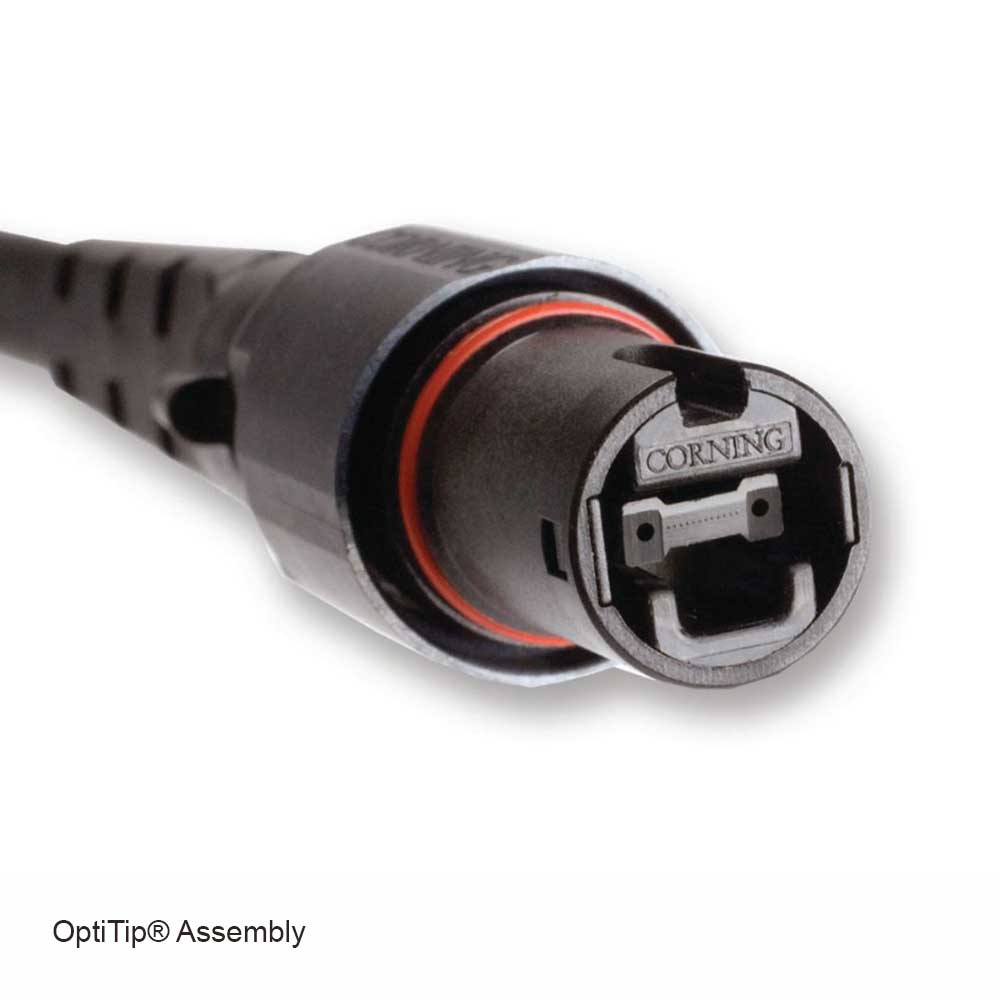
- Connectors: IP 68/69K weatherproof at RRH ports


Small Cell & Distributed Antenna System
Small cell and DAS deployments distribute fiber to many low-power antenna nodes — streetlights, utility poles, building fascias, and indoor mounting points. Each node requires compact, weatherproof fiber connectivity with minimal footprint and short cable runs from a central hub or base station.
- Architecture: Hub-and-spoke from central DAS controller
- Fiber count: 2–12 fibers per node typical
- Enclosures: Compact pole-mount or wall-mount rated
- Cable: Micro-duct or direct-buried short runs


Building Rooftop Antenna
Rooftop FTTA installations bring fiber from the building's equipment room or MDF up through the building's riser system to rooftop-mounted antennas and RRH units. The transition from in-building riser cable to outdoor-rated rooftop cable requires weatherproof junction hardware at the rooftop penetration point.
- Route: MDF → riser → rooftop penetration → antenna
- Indoor section: Riser-rated tight buffer or plenum cable
- Outdoor section: UV-rated OSP cable from penetration point
- Termination: Weatherproof IP 68 at each rooftop RRH


Tower Climb & Fronthaul Cable
FTTA demands more from cable than any other FTTx application — UV exposure, wind load, thermal cycling, and physical installation stress all require armored, bend-insensitive construction.
Corning ALTOS® Lite Gel-Free Single-Jacket Armored Cable
The preferred cable for FTTA tower climb runs — single-jacket interlocking aluminum armor provides crush and rodent resistance during installation, while gel-free waterblocking eliminates cleanup at every mid-span access point. SZ-stranded loose tube construction enables fast buffer tube access at the antenna head without special tools.
Enclosures & Distribution Hardware
FTTA requires weather-rated enclosure hardware at the tower base, rooftop penetration points, and small cell nodes — in addition to high-density rack hardware at the BBU hotel or CO.
HD Rack Mount — P Series
Ultra-high-density 1RU–4RU rack panels for BBU hotel fronthaul fiber termination — up to 576 LC DX ports in 4RU with MTP cassette modules.
CCH Housings & Panels
1U–4U Corning LANscape® compatible rack enclosures for organized CO and BBU hotel fronthaul cable termination and splice management.
Wall Mount Enclosures
NEMA-rated compact wall and pole mount enclosures for tower base BBU cabinet fiber management, rooftop penetration termination, and small cell node installations.
MTP Cassettes
Pre-terminated singlemode MTP cassette modules for structured fronthaul distribution across BBU hotel racks — converting MTP trunk ports to individual LC connections.
How FTTA Differs from Other FTTx Deployments
- Fiber terminates at a premises or building
- Passive — no active electronics at the fiber end
- Standard indoor or OSP cable construction
- ONT, patch panel, or MDF at termination
- Temperature and IP rating: standard range
- Fiber terminates at an active remote radio head
- Active RRH at the antenna — converts fiber to RF
- Armored, UV-rated, wind-load-tested cable required
- IP 68/69K weatherproof connectors at every antenna port
- Extended temperature range: -40°C to +85°C at RRH